Optimize Your Events Freshness: An Essential Guide to Refrigerated Trailer Rentals
Coordinating an event requires thorough evaluation of food preservation and safety standards. Temperature-controlled trailers play an essential role in minimizing the risk of spoilage and maintaining the safety of perishable products. Even so, selecting the right size and features can be challenging. Recognizing the complexities of renting refrigerated trailers can have a major effect on the overall success of an event. What crucial considerations should be addressed to make the most of this vital component?
How Refrigerated Trailers Stop Food Spoilage at Events
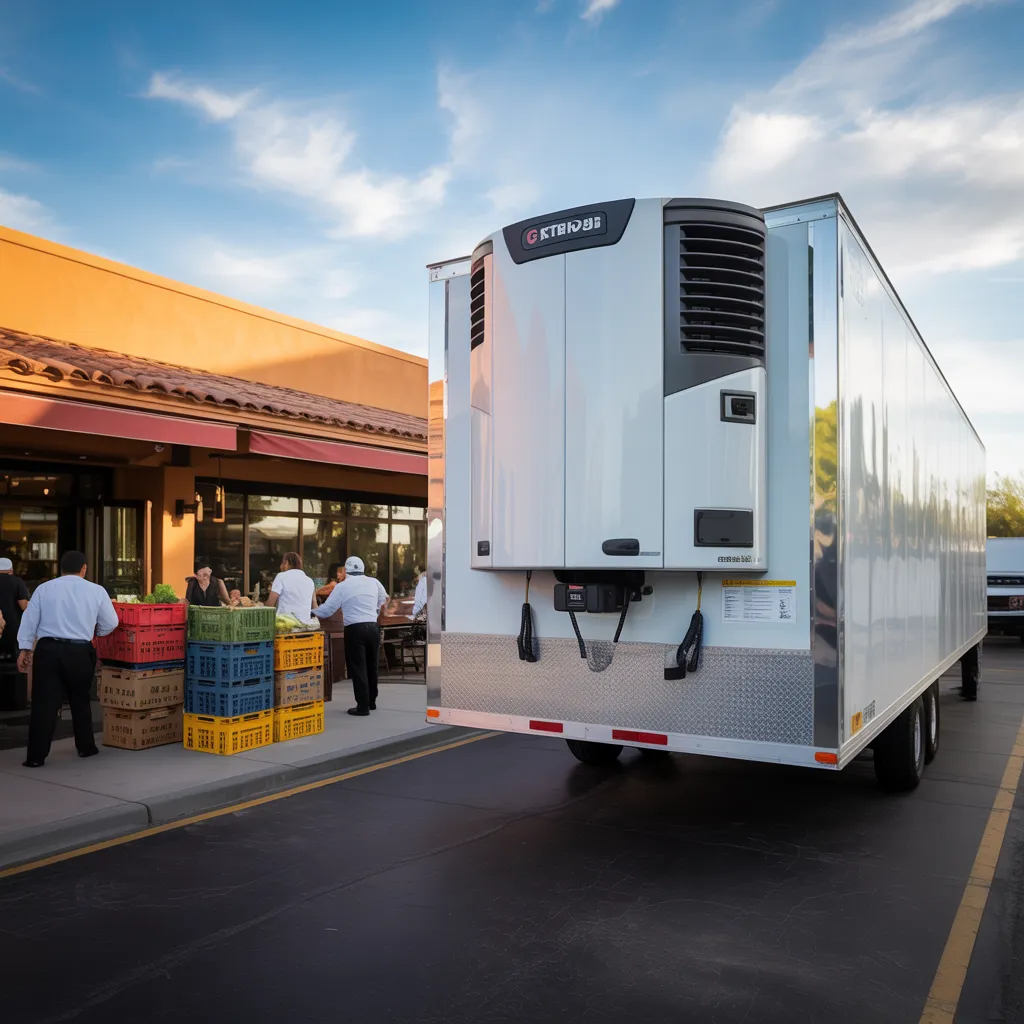
Refrigerated trailers play an indispensable role in keeping food fresh at events, guaranteeing that perishable goods stay fresh and safe to eat. These mobile units provide a controlled environment that maintains ideal temperatures, essential for preserving various food items, from meats to dairy products. By utilizing advanced insulation and reliable cooling systems, refrigerated trailers effectively combat the effects of heat and humidity, which may result in bacterial development and food spoilage.
Additionally, the practicality of transporting these trailers straight to event locations allows caterers and organizers to manage food storage with ease. This versatility lowers the risk of foodborne illnesses, securing the health of event-goers. Furthermore, the scale and volume of refrigerated trailers can support various event types, making them adaptable options for all types of events. All things considered, the implementation of refrigerated trailers is a essential method for ensuring food safety and quality at events, elevating the overall experience for visitors.
How to Select the Correct Size for Refrigerated Trailer Rentals
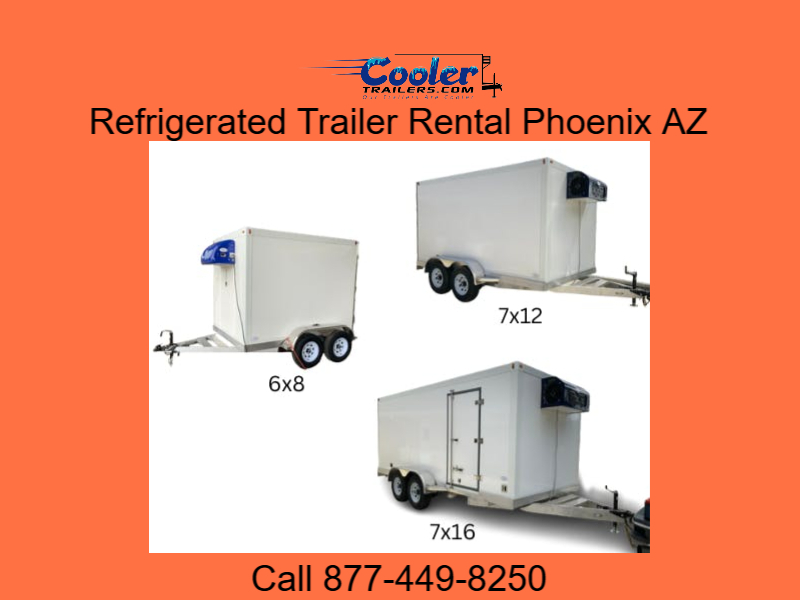
Determining the correct capacity for refrigerated trailer hire requires detailed analysis of storage needs and event duration. Knowing the amount of goods that need to be stored will help determine the space needed. Additionally, considering how long the trailer will be needed can impact the size selection, ensuring efficiency and effectiveness.
Determine Your Storage Needs
How can someone identify the appropriate size for refrigerated trailer rentals? To correctly determine storage requirements, it is important to consider the volume and type of items that will be housed. A detailed inventory list should be developed, noting the measurements and quantities of products. This provides a clearer understanding of storage needs. Moreover, considering the trailer's layout is vital; proper organization can optimize the use of space. Aspects such as airflow and accessibility also impact the selection. It is wise to consult with rental providers, as they can provide guidance based on experience and available trailer sizes. Ultimately, identifying the right size ensures perfect storage conditions, reducing spoilage risks and keeping products fresh during events.
Consider Event Duration
Understanding the length of an event is essential when choosing the appropriate size for refrigerated trailer rentals, as it significantly influences refrigeration needs. For brief occasions, such as several hours, a compact trailer may suffice, while multi-day gatherings, spanning days, necessitate bigger trailers to handle greater quantities of goods. Moreover, the kinds of goods being stored, whether perishable food, liquid refreshments, or floral arrangements, also determines the size needed. It is necessary to determine the quantity of items and the timeframe for which they must be kept refrigerated. A well-planned approach guarantees that all items stay fresh and available throughout the event. By considering duration, event planners can avoid avoidable expenditures and logistical complications associated with inadequate refrigeration capacity.
Important Attributes of Refrigerated Hauling Units for Event Success
When organizing an event, the right refrigerated trailer can prove essential, ensuring that perishable goods remain in optimal condition. Important characteristics of these trailers include customizable temperature regulation, which enable precise management of different food products. A trustworthy refrigeration system is critical, as it provides steady temperature maintenance throughout the event duration.
Furthermore, adequate storage space is a necessity; trailers must provide enough space to handle the quantity of food and drinks needed. Ease of access is an additional essential factor; large doors and ramps promote efficient loading and unloading, cutting down on delays.
The quality of insulation also has a major impact on preserving temperature consistency, most notably in variable outdoor environments. In addition, built-in monitoring systems warn event coordinators about temperature irregularities, enabling rapid action against potential issues. Together, these features contribute to positive event outcomes by preserving food integrity while improving overall guest experience.
How to Maintain Food Freshness at Your Event
To make certain food stays fresh during an event, thorough planning and careful attention to overview detail are necessary. Initially, the selection of top-quality ingredients is essential, as fresher items naturally last longer. Additionally, keeping proper storage temperatures is essential; refrigerated trailers must be configured to the appropriate temperature before food is loaded. It is important to properly arrange goods within the trailer, placing perishable goods at the bottom and ensuring adequate airflow.
Using temperature-controlled containers can also help maintain thermal consistency. Furthermore, monitoring food temperatures with thermometers across the duration of the event confirms food safety and quality.
Hygiene practices should be emphasized, such as frequent handwashing and disinfecting surfaces to reduce the risk of food contamination. Lastly, timely serving of food is key; dishes should be retrieved from cold storage immediately prior to serving to reduce unnecessary exposure to ambient heat. By adhering to these guidelines, event organizers can effectively keep food fresh and appealing for guests.
Don't Make These Mistakes When Renting a Refrigerated Trailer
What are the most common mistakes to avoid when renting a refrigerated trailer? One critical oversight is neglecting to thoroughly assess the trailer's required size. Choosing a trailer that is either too small or excessively large can lead to inefficient use of space and increased costs. Additionally, renters often overlook the importance of checking the refrigeration unit's functionality. A defective unit can seriously jeopardize the safety and quality of stored food. Another typical oversight is not reviewing rental agreements carefully, particularly regarding pickup and return deadlines, which can trigger unexpected additional costs. Renters must also remain vigilant about insufficient insurance coverage, as ensuring adequate protection from possible damages is essential. Finally, not considering the trailer's location and accessibility can create logistical challenges during events. By being aware of these pitfalls, individuals can make informed decisions and guarantee their refrigerated trailer rental meets their needs effectively.
Essential Practices for Loading and Unloading Your Trailer
Correct loading and unloading methods are vital for optimizing the efficiency and safety of a refrigerated trailer rental. First, it is important to assess the weight distribution; heavier goods should be positioned at the bottom and lighter items stacked on top to ensure stability throughout transport. Utilizing pallets can facilitate easier loading and unloading, while guaranteeing air circulation around products is crucial to maintain consistent temperatures.
During the unloading process, following a structured method is essential. Begin from the back, moving forward, to minimize bottlenecks at the doorway. Be sure to wear the proper personal protective gear to ensure safety. Additionally, checking the temperature inside the trailer before unloading is advisable to ensure that all products are kept within acceptable temperature limits.
Lastly, allocating sufficient time for both the loading and unloading processes minimizes rushing and potential mistakes, fostering a more structured and efficient workflow overall. Adhering to these best practices can significantly improve the efficiency of refrigerated trailer operations.
Common Questions and Answers
What Is the Cost Range for Renting a Refrigerated Trailer?
The typical cost of renting a refrigerated trailer typically falls between one hundred and three hundred dollars per day. Elements that affect the cost include size, rental duration, and additional features or services provided by the rental company.
How Soon Before My Event Should I Book a Refrigerated Trailer?
It's advisable to secure a refrigerated trailer at least two to four weeks in advance. This lead time helps guarantee availability, making certain that all specific needs are accommodated and alleviating unnecessary stress for event coordinators.
Do Refrigerated Trailers Come with Delivery Options?
That's correct, many rental companies supply a delivery option for refrigerated trailer units. Clients can schedule for the storage unit to be transported to their venue, guaranteeing easy and prompt access to necessary refrigeration for their specific needs.
Can I Rent a Refrigerated Trailer for Short-Term Events?
Yes, people are able to hire refrigerated trailers for short-term events. Various rental companies provide flexible options, supporting a range of durations and sizes, guaranteeing that event organizers possess the required cooling solutions for their individual needs and requirements.
What Upkeep Is Needed Throughout the Rental Period?
Over the course of the rental period, regular maintenance includes monitoring temperature levels, guaranteeing proper ventilation, checking seals and gaskets, monitoring for leaks, and sanitizing the interior to avoid odor and contamination. Such practices secure top performance and food safety.